Reviewing
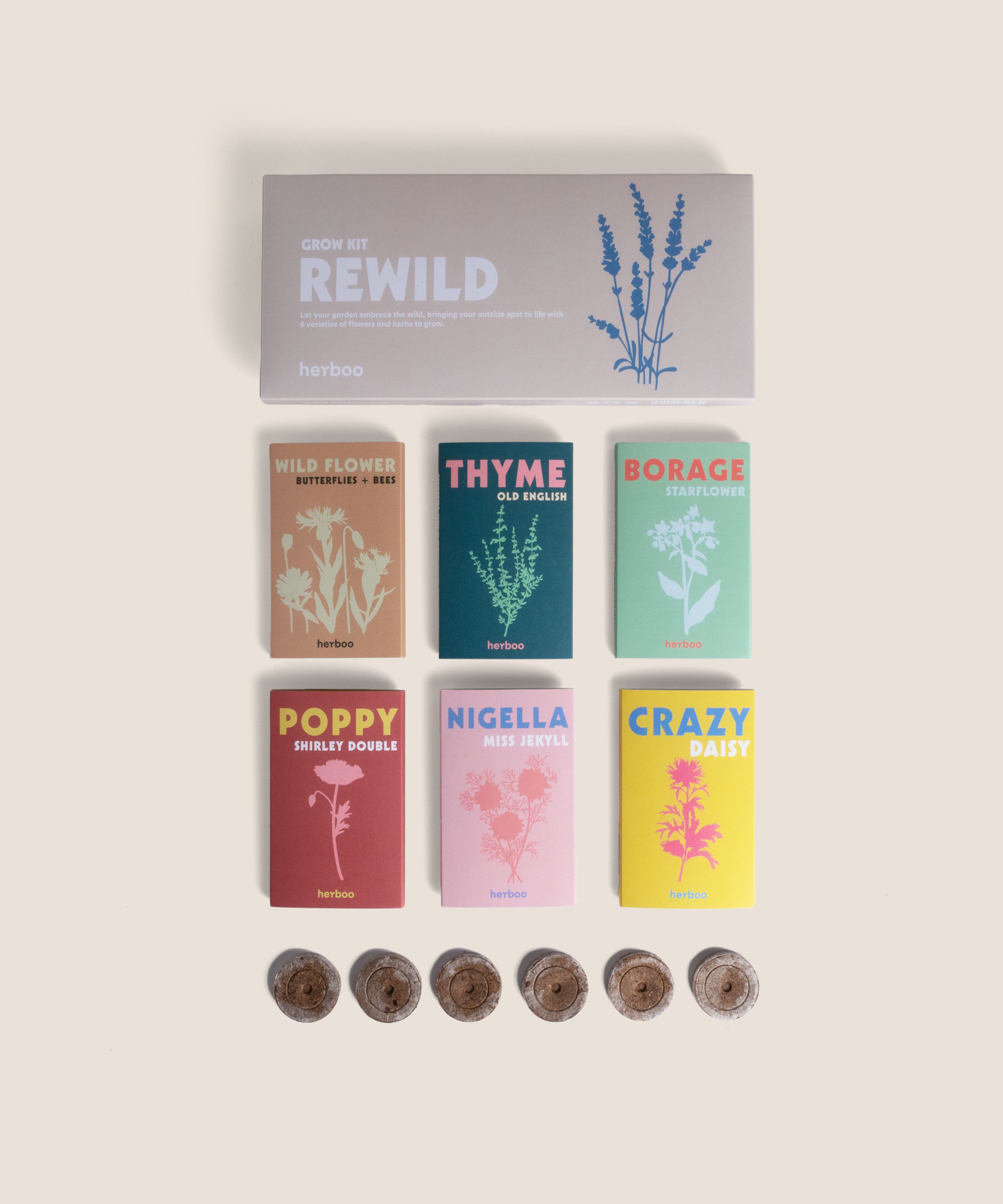
Rewild Garden Seed Box2 Sept 2026
Quick delivery
thanks guys
Tom Waites
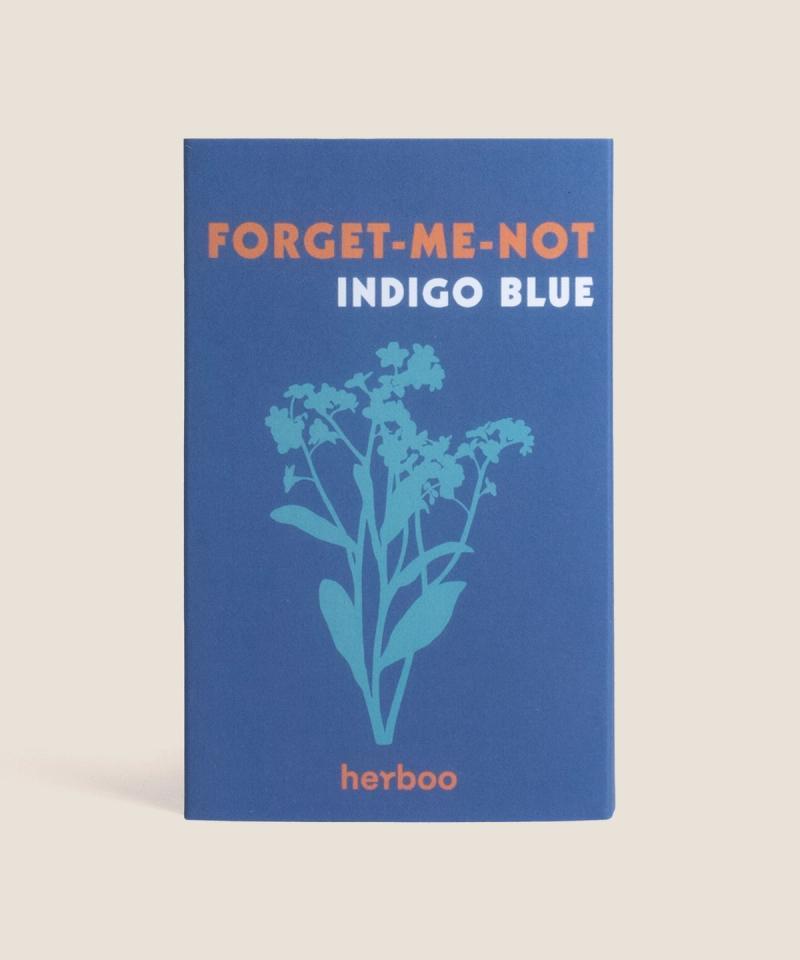
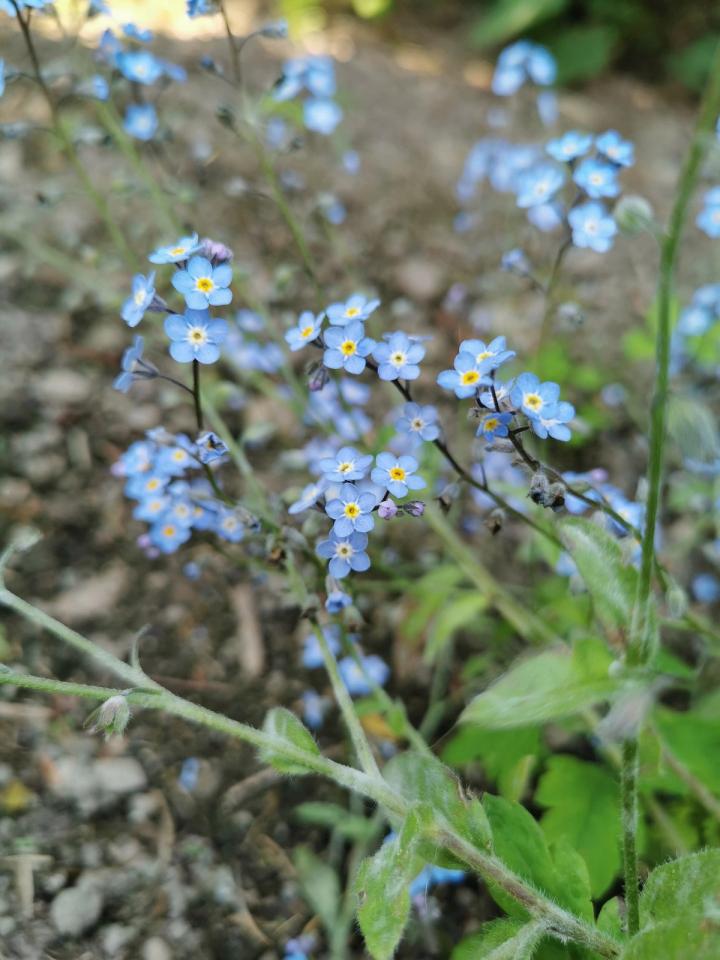
Myosotis Sylvatica 'Blue Ball'
hues of light blue petalled flowers that love the shade.
A symbol of fidelity and eternal love, Forget-Me-Not exudes the delicate nature of love with blue petals on soft velvety foliage. Bearing dense clusters of small pale flowers they are ideal for planting in garden beds, under tall beauties or in a shady spot. One of the first to flower, they are a sign of spring arriving.
Approx 200 seeds
Delivered in 2–3 working days — letterbox delivery from £2.95, free over £25
 We offset delivery emissions
Want to send this as a gift? Add a gift note in your bag.
Forget-Me-Not seeds are best sown outdoors in containers or garden beds during spring or autumn, where they thrive in partial shade. These biennial plants prefer moist, well-drained soil and will reward you with delicate blue blooms in early spring. Starting them in situ during March to May or August to September aligns with their natural growing cycle.
Forget-Me-Nots are a symbol of fidelity and everlasting love, with soft velvety foliage and clusters of small blue flowers. Ideal for planting in garden beds, under taller plants, or in shady areas, they brighten your garden early in the season and support pollinators.
Delivered within 2–3 working days. On its own, this packet ships letterbox delivery at £2.95. Fits through a standard letterbox, so no one needs to be home.
Delivery is priced on the size of your whole order, so adding more may move it into the next band:
Gifting. We can include a handwritten note — add your message in your bag.
More info in our FAQs, or get in touch if something hasn’t arrived.
Forget-Me-Not seeds are best sown outdoors in containers or garden beds during spring or autumn, where they thrive in partial shade. These biennial plants prefer moist, well-drained soil and will reward you with delicate blue blooms in early spring. Starting them in situ during March to May or August to September aligns with their natural growing cycle.

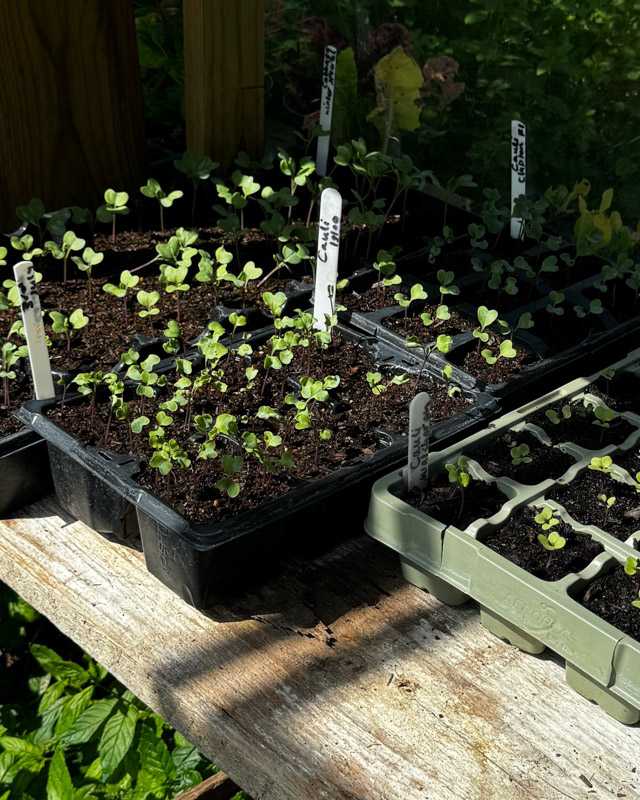
Sprinkle the seeds thinly on warm, damp, well-drained soil and gently pat them down to ensure good soil contact. Keep the soil consistently moist to encourage germination during the sowing months of March through May and August through September.

Once seedlings emerge, thin them to avoid overcrowding, allowing enough space for the plants to reach their mature size within a 25 cm pot or garden bed. This thinning supports healthy growth and the development of their charming blue flowers during the growing season from April to July.

Water Forget-Me-Nots regularly to maintain moist soil, especially during dry spells, as they prefer consistent moisture without waterlogging. Deadhead spent flowers to promote prolonged blooming and prevent unwanted self-seeding. Their low-maintenance nature means they largely look after themselves once established in partial shade.
Forget-me-not is a delicate, early-season flower that brings soft colour to the garden just as spring begins. Easy to grow and tolerant of most light conditions, it naturally weaves through borders, containers and informal planting schemes. Beloved by pollinators, it provides an important early source of nectar while creating a relaxed, cottage-garden feel.



Legend tells of lovers by the Danube riverbank where the name originated. When the man lost the flowers in the water, he called out to his love to 'forget me not,' inspiring this charming flower’s name.
| Other Names | Garden forget me not and Wood forget me not |
|---|---|
| Pet/Baby Safe | Non-toxic |
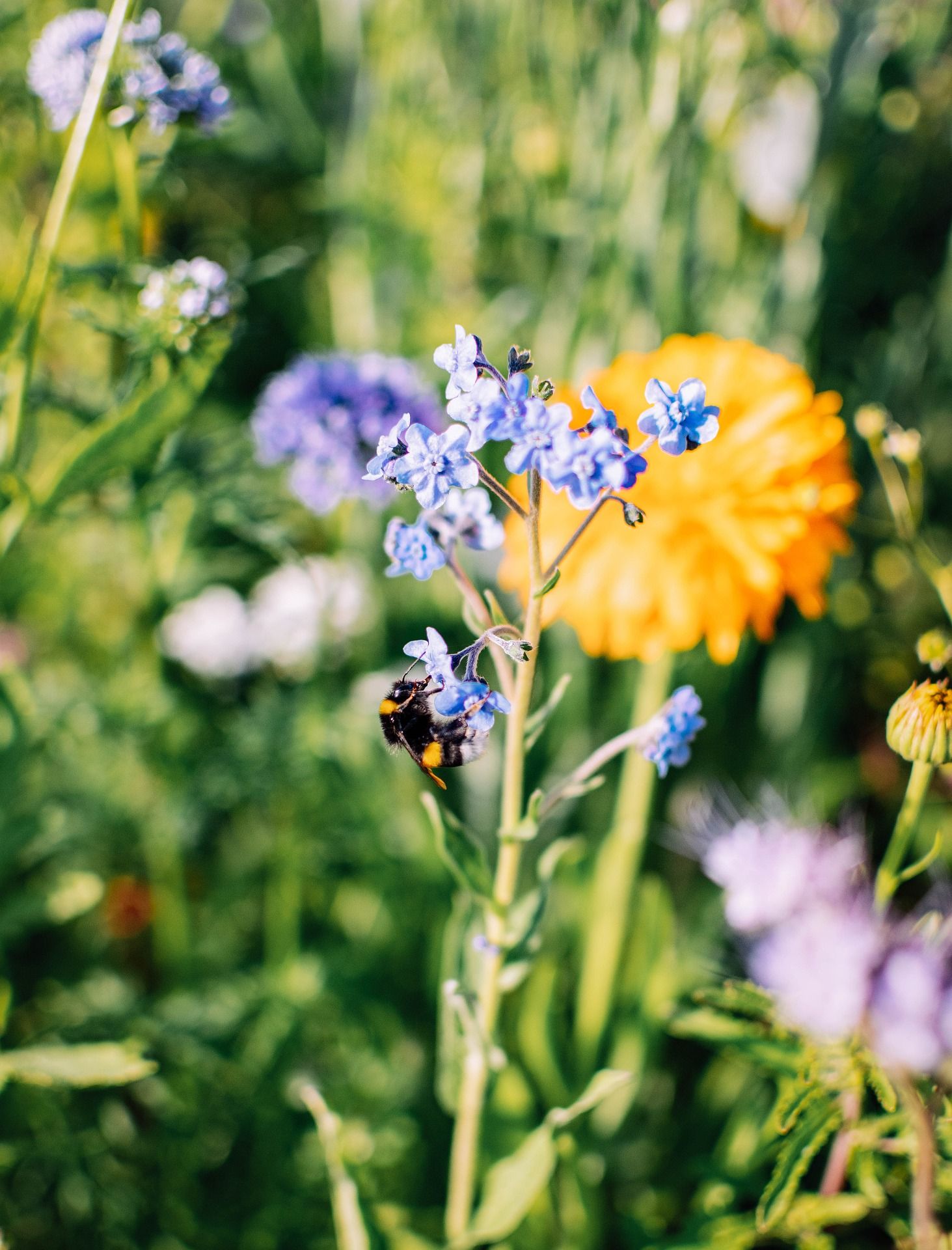
Sow from March to May, and August to September. Seedlings usually appear in 7–14 days. Watering: keep soil consistently moist but not waterlogged.
They prefer partial shade and moist, well-drained soil.
Yes, they often self-seed and return year after year. It is a biennial: leaf in the first year, flowers in the second. Harvest: Flowers appear early spring; pick for fresh displays. Flowering runs April to July.
Yes — this is a straightforward packet to give, and what makes it work as a gift is mostly timing. Sowing runs March to May, and August to September, so a packet given inside that window can go straight in, and one given outside it keeps perfectly well until the season comes round.
There are approximately 200 seeds in the packet, so there is plenty to share. On effort it looks after itself, which matters if you are giving it to someone new to growing. It suits pots, beds and windowsills, so it works for a small space as well as a garden.
No reviews yet for Forget-Me-Not Seeds. If you have grown it, yours would be the first.
Recent reviews of other Herboo seeds. These are not ratings of Forget-Me-Not Seeds.
thanks guys
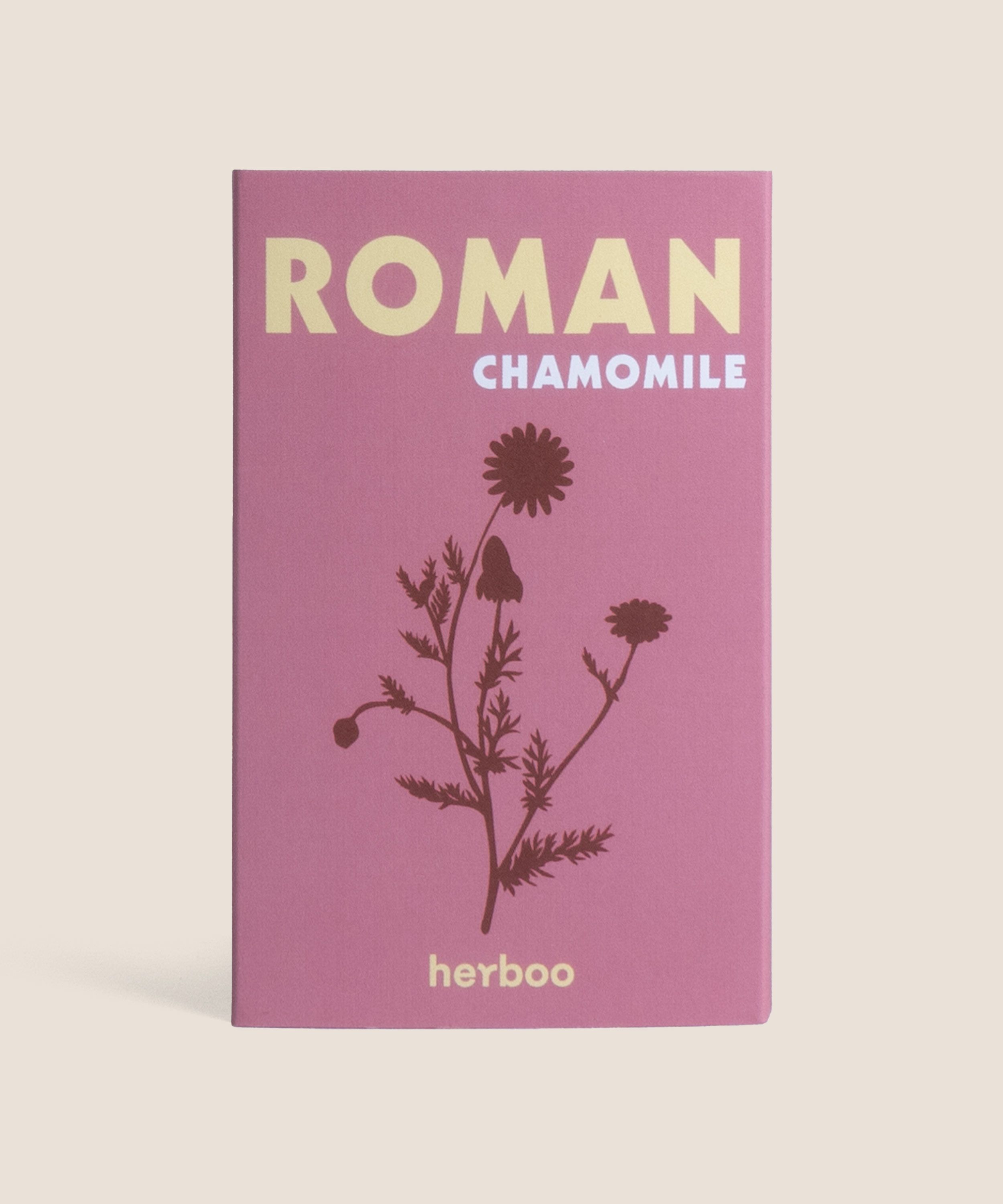
thanks
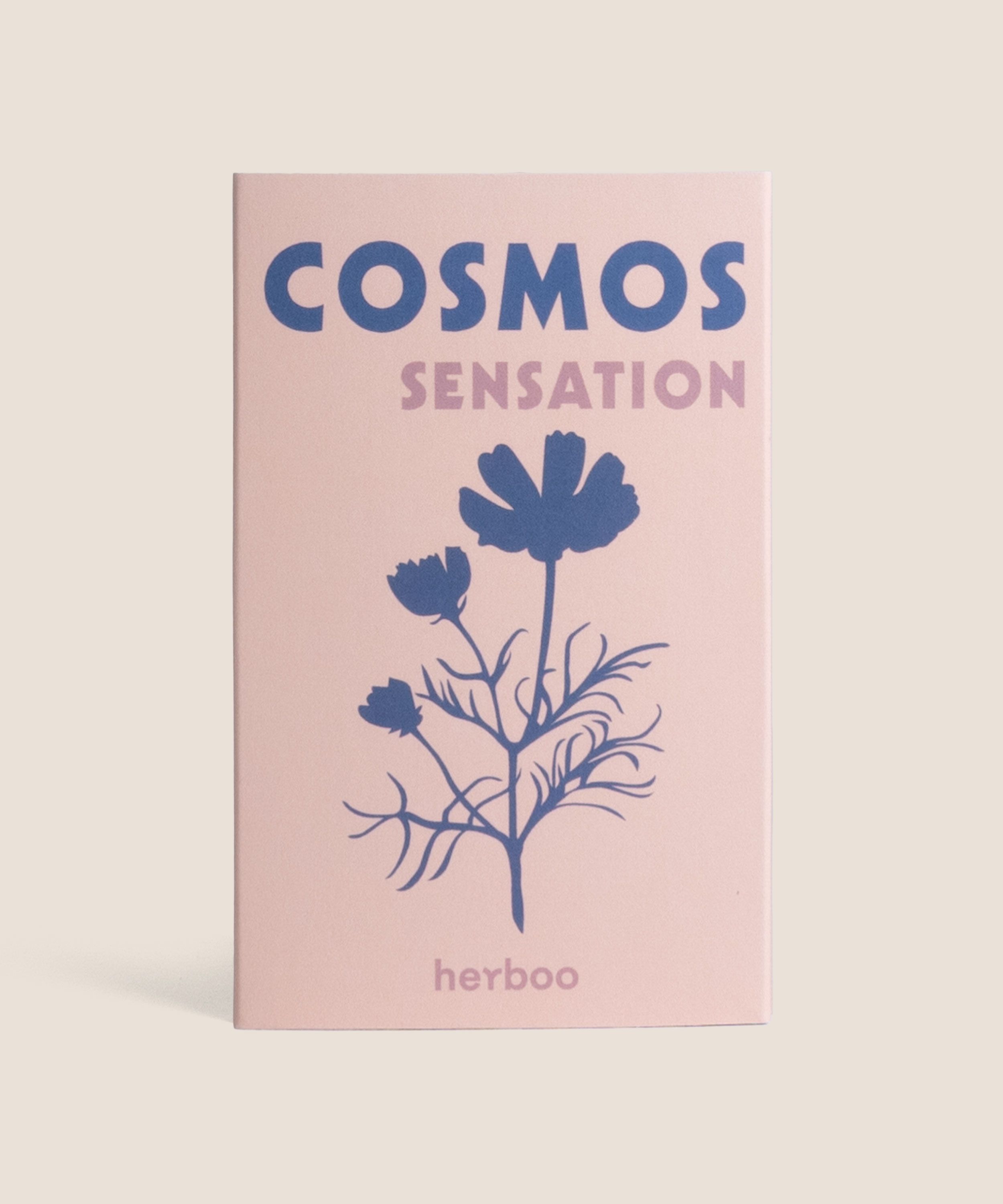
Lovely packet of seeds, bought one for me and one as gift :)