Reviewing
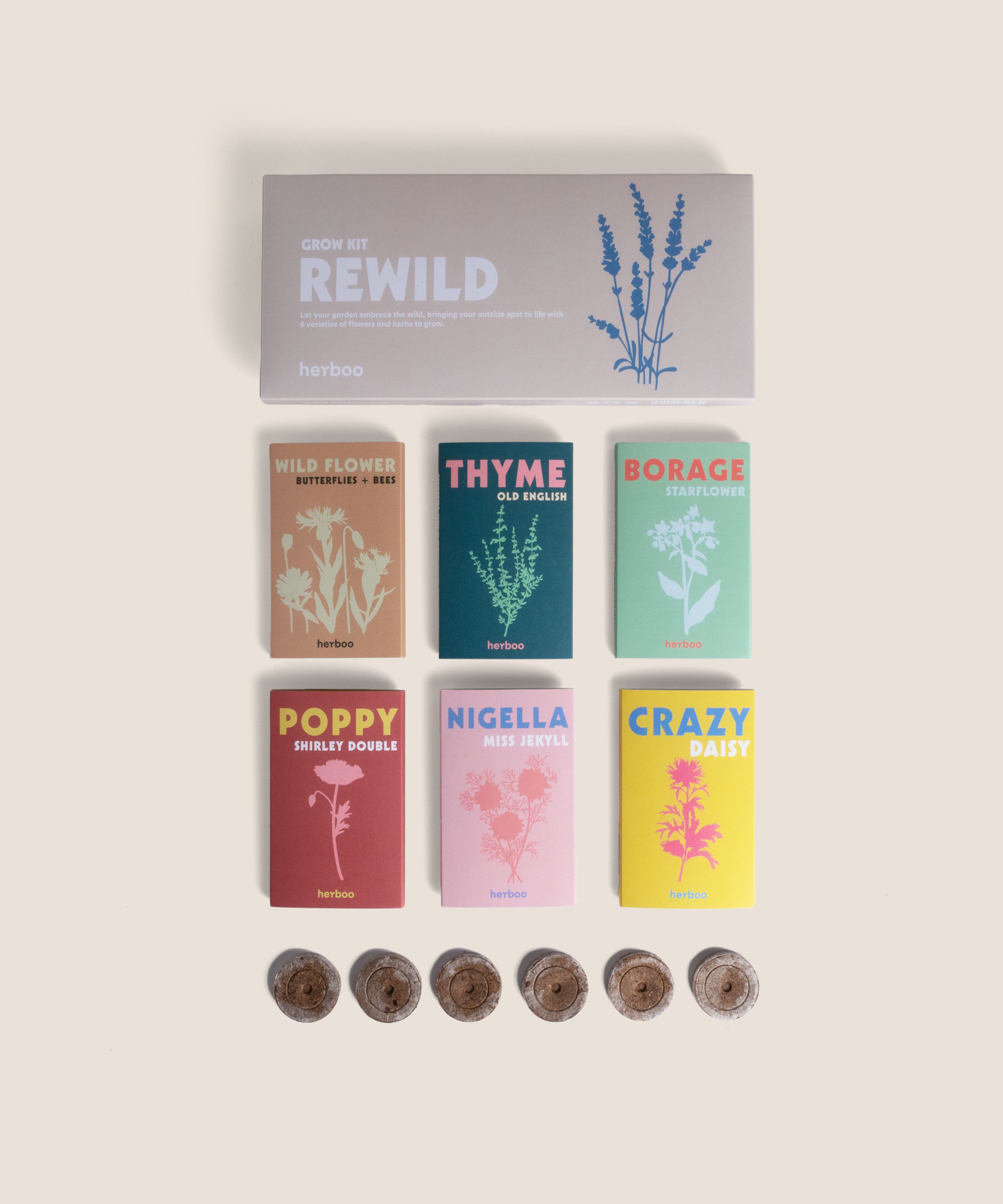
Rewild Garden Seed Box2 Sept 2026
Quick delivery
thanks guys
Tom Waites
Solanum lycopersicum 'Black Opal'
Black Opal is what happens when somebody sets out to improve on an heirloom. It was bred in Britain from 'Black Cherry' — the old Russian dark tomato everybody loves and nobody can get home in one piece — and it keeps the part worth keeping: that deep, winey, faintly smoky sweetness the dark varieties have and the red ones do not. What it fixes is the texture. The fruit is firm enough to halve with a knife, the skins hold, and the long branched trusses carry glossy maroon-black cherries of around 18 g, a hundred and more of them through a summer. It is a cordon, so it wants a cane and a weekly going-over, and it has good tolerance of late blight — which makes it one of the few dark tomatoes genuinely worth risking outdoors.
Delivered in 2–3 working days — letterbox delivery from £2.95, free over £25
 We offset delivery emissions
Want to send this as a gift? Add a gift note in your bag.
Tomato 'Black Opal' (Solanum lycopersicum) is a British-bred cordon cherry tomato carrying long, branched trusses of glossy maroon-black fruit of about 18 g. Sow indoors February to April. Plant out from late May and grow it up a single supported stem. Sweeter than most cherry tomatoes, firm-fleshed rather than soft, and tolerant of late blight.
Dark tomatoes usually ask you to trade something. Black Cherry has the flavour and arrives at the table as a bag of skins; most of the pretty ones split the week the weather turns. Black Opal does not ask. It is the sweetest thing in the greenhouse — nine per cent sugar against Gardener’s Delight’s seven — and it is crisp rather than mushy, which is the difference between a tomato you cook with and a tomato that never makes it indoors. Put a bowl of them on a table and watch how fast they go.
Delivered within 2–3 working days. On its own, this packet ships letterbox delivery at £2.95. Fits through a standard letterbox, so no one needs to be home.
Delivery is priced on the size of your whole order, so adding more may move it into the next band:
Gifting. We can include a handwritten note — add your message in your bag.
More info in our FAQs, or get in touch if something hasn’t arrived.
Sow indoors from February to April in warmth — a kitchen windowsill or a heated propagator is plenty, and 15-20°C is what the seed is after. Pot on as the seedlings grow, harden off through late May, and plant out into a cold greenhouse, a 30 cm pot or a grow bag once the nights are reliably above about 10°C. Outdoors it wants the warmest, most sheltered spot you have, facing south or west.

Sow seed about 0.5 cm deep in damp seed compost, two or three to a small pot, and keep at 15-20°C somewhere bright. Seedlings appear in 7-15 days. Thin to the strongest and pot on into 9 cm pots once the first true leaves are up, keeping them in good light so they do not stretch.

One plant per 30 cm pot or grow bag, or 45 cm apart in a greenhouse border. Tie the main stem to a cane or twist it around a string run to the roof as it grows. Pinch out every side shoot that appears in the joint between a leaf and the main stem — this is the one job that matters, and it wants doing weekly. Stop the plant by pinching out the growing tip two leaves above the seventh truss under cover, or the fourth outdoors.

Water little and often rather than heavily now and then; erratic watering is what splits fruit and causes blossom end rot. Once the first truss has set, feed weekly with a high-potash tomato feed. Take off the lower leaves as the trusses ripen to improve airflow and let light at the fruit. Pick each tomato once it has gone fully glossy and dark — a black tomato never looks quite ripe, so go by feel and by the slight give rather than by colour alone. Its blight tolerance is good but it is not immunity: airflow and dry foliage still matter outdoors.
Black Opal is a cordon — an indeterminate tomato, which means it keeps growing upward rather than stopping at a set height, and makes 1-1.5 m in a British season with about half a metre of spread. That habit is most of the work: it needs a cane or a string to climb, the side shoots pinching out of the leaf joints each week, and the growing tip stopping once the trusses have set — seven of them under cover, four outdoors, where the season is shorter. In exchange it carries long, branched trusses rather than the neat single files a beefsteak makes, and keeps producing over months rather than weeks. It was bred for outdoors and for cold greenhouses, so it does not need heat to crop.

Not an heirloom, but descended from one. Black Opal was bred in Britain by Simon Crawford and Mark Rowland of Gourmet Genetics — Crawford is the breeder behind Tumbler and Red Alert — and it came out of 'Black Cherry', a Russian heirloom long adored for its flavour and long forgiven for its texture. The brief was to keep the first and fix the second. On the breeders' own figures it carries a Brix of 9% against Gardener's Delight's 7%, and gives 120-150 fruits a plant over three months, something near 2.3 kg. It reached British gardeners through Dobies and Suttons around 2012, and the RHS tasting panel of 2017 recorded it as having a good, balanced flavour — which, from a tasting panel, is high praise.
| Other Names | Black Opal tomato, and listed by some seed houses as Tomato (Cherry) 'Black Opal'. |
|---|---|
| Pet/Baby Safe | Ripe fruit is safe; the leaves and stems are toxic to cats and dogs |
It is forgiving rather than effortless. The blight tolerance takes away the thing most likely to end a tomato outdoors, and it crops without fuss — but it is a cordon, so it needs a support to climb, its side shoots pinching out weekly, and a high-potash feed once the fruit sets. None of that is difficult; it just has to actually happen. If you want a tomato that needs no attention at all, a bush or trailing variety is the better choice.
Sow indoors February to April at 15-20°C, and plant out from late May once the nights are reliably above about 10°C. For a cold greenhouse you can start at the beginning of that window; for growing outdoors, late March or April is usually enough and avoids leggy plants waiting for warmth that has not arrived.
Outdoors is exactly what it was bred for. Black Opal was selected for unheated conditions — outside or in a cold greenhouse — and its good tolerance of late blight is the reason it is worth trying in a British summer when most dark-fruited varieties are not. Give it shelter and a south- or west-facing aspect and it will crop perfectly well without glass.
Sweet first, then the savoury, slightly smoky depth that dark tomatoes have and red ones do not. Its measured sugar is around 9% Brix where Gardener’s Delight sits near 7%, so it reads as noticeably sweeter, and the flesh is firm and crisp rather than soft — the RHS tasting panel called it a good, balanced flavour. It is unusual among dark cherries in being as good cooked as it is raw.
No, though it is descended from one. It is a modern British-bred variety raised from 'Black Cherry', a Russian heirloom, to keep that flavour while improving the texture and the plant. Because it is a bred variety rather than a stabilised heirloom, seed saved from your own fruit may not come true to type — treat a packet as something to re-buy rather than a line to keep going.
No reviews yet for Tomato 'Black Opal' Seeds. If you have grown it, yours would be the first.
Recent reviews of other Herboo seeds. These are not ratings of Tomato 'Black Opal' Seeds.
thanks guys
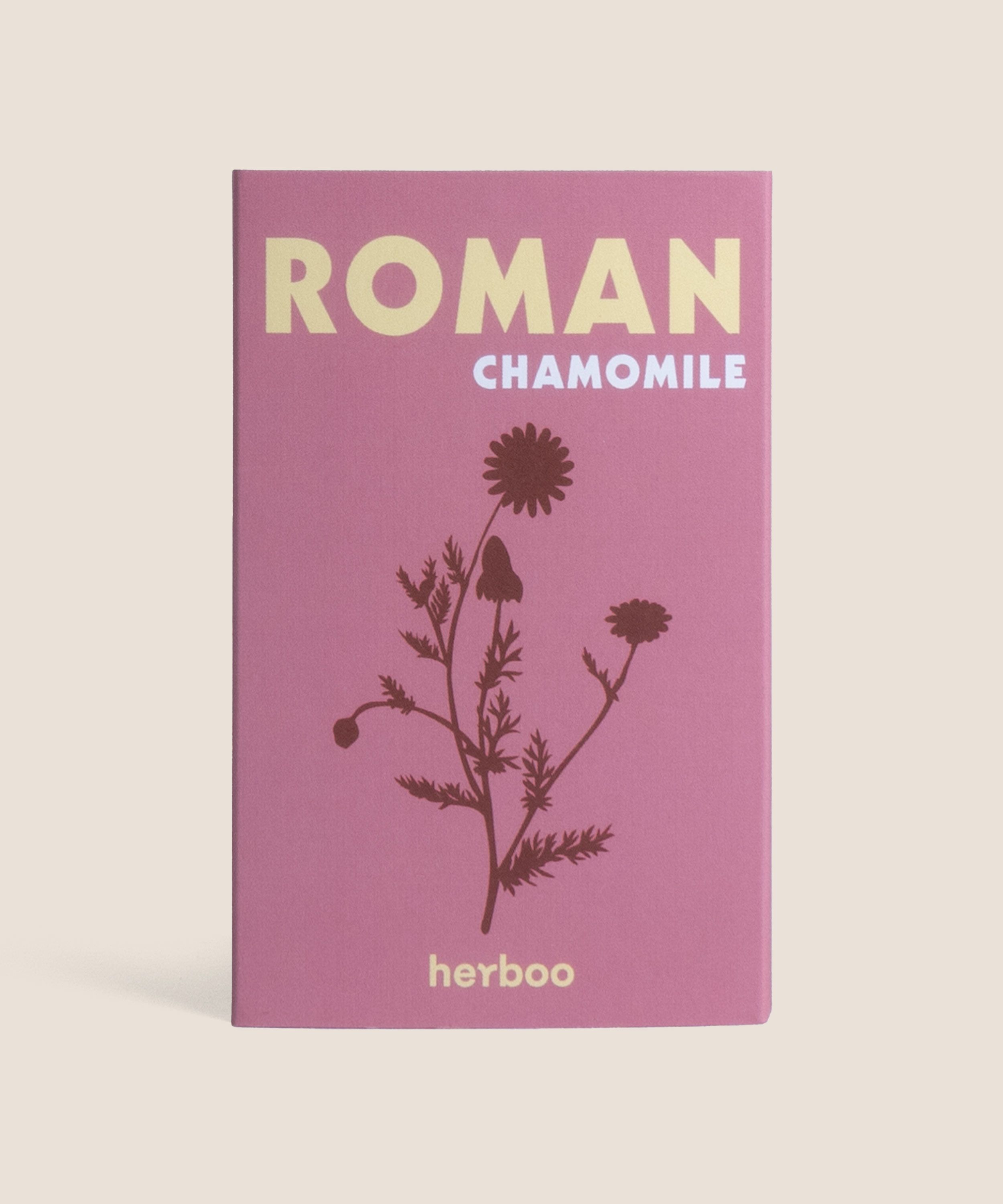
thanks
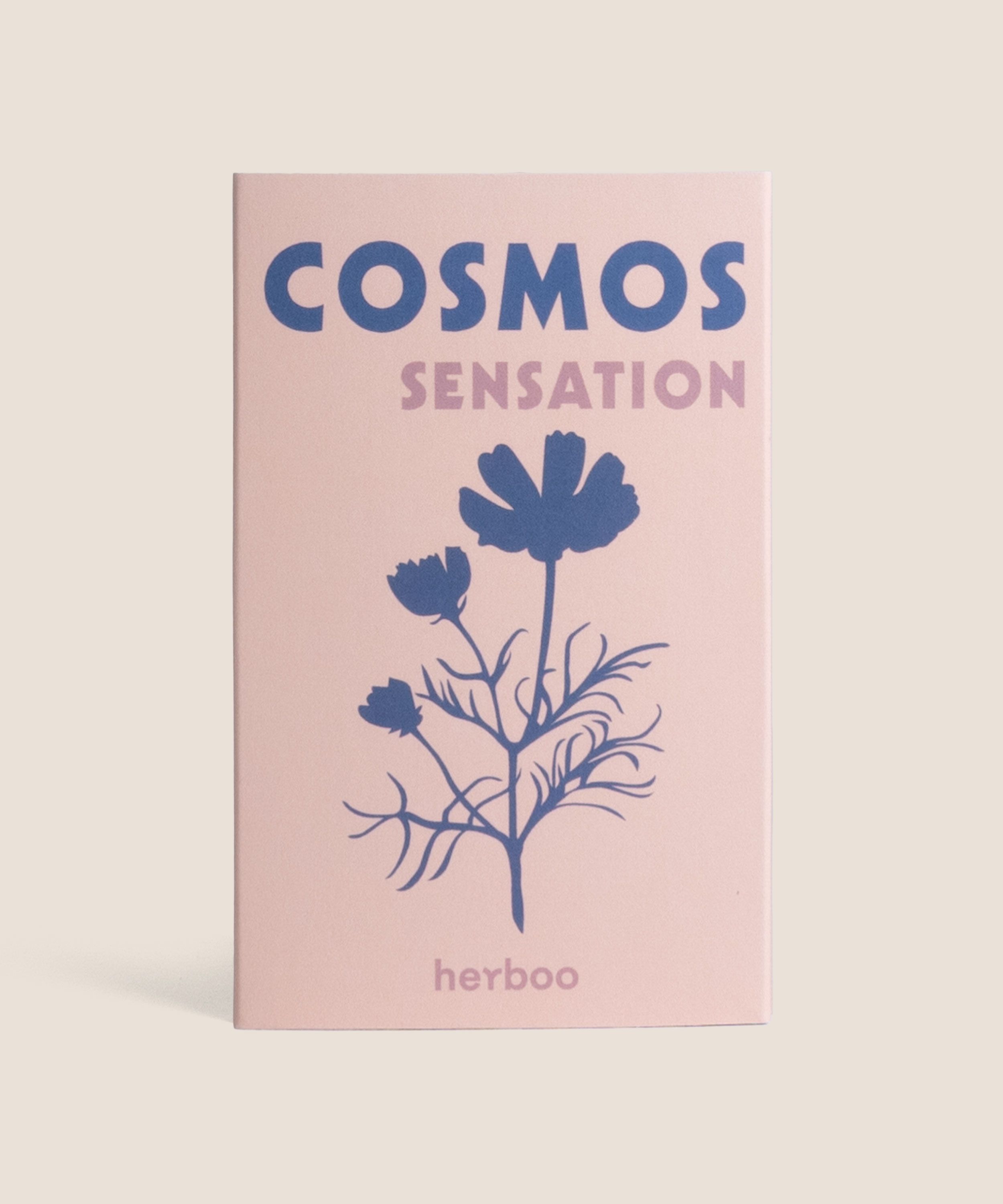
Lovely packet of seeds, bought one for me and one as gift :)